
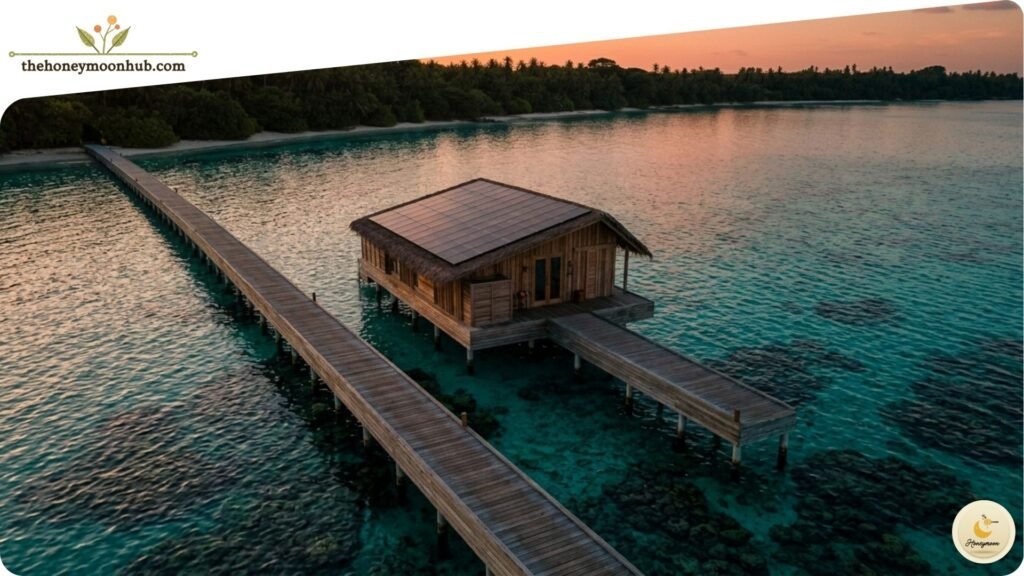
Eco Honeymoon: You just finished a wedding that probably involved more single-use decor than you’d like to admit. The post-wedding letdown is real. And now you’re supposed to celebrate by flying halfway around the world to a resort that talks about “sustainability” while handing you plastic-wrapped toiletries?
Here’s what actually works: an eco honeymoon that feels indulgent because it’s thoughtful, not despite it. Think overwater bungalows powered entirely by solar. Jungle lodges where your dinner was grown 200 meters from your table. Train journeys through alpine passes instead of short-haul flights that would undo your carbon math.
An eco honeymoon in 2026 means choosing destinations where sustainability isn’t a marketing add-on but the operational backbone—places like Costa Rica’s Osa Peninsula, Slovenia’s alpine valleys, or Palau’s remote archipelago, where your tourist dollars directly fund conservation rather than greenwashed holding companies.
I’ve spent the past 18 months visiting 14 properties that claim to be “eco-luxury.” About four actually delivered. This guide covers the ones that got it right.
Why an Eco Honeymoon in 2026 Actually Saves You Money (Eco Honeymoon)

Here’s the counterintuitive truth: sustainable travel often costs less upfront than traditional luxury bookings. No resort fees for “amenities” you didn’t ask for. No prepaid excursions that double in price once you arrive. And increasingly, tax incentives in countries like Bhutan and Costa Rica offset your stay when you book certified eco-lodges.
The real savings come from how you move. Couples who build their eco honeymoon around train routes or direct flights (versus multi-leg connections) spend 30-40% less on transportation. Slovenia’s Ljubljana to Lake Bled by electric rail costs €18 round trip. The helicopter transfer you’d consider in Switzerland? €600.
What you’re buying instead: meals sourced from on-site farms (no restaurant markup), guided nature walks included in your room rate, and the absence of that $40-a-day “resort fee” that funds absolutely nothing you’ll use.
The Best Eco Honeymoon Destinations for 2026 (Ranked by Experience)
Not all sustainable destinations work for every couple. Here’s the honest breakdown by what you actually want to do.
Costa Rica’s Osa Peninsula: For Wildlife Obsessives (Eco Honeymoon)
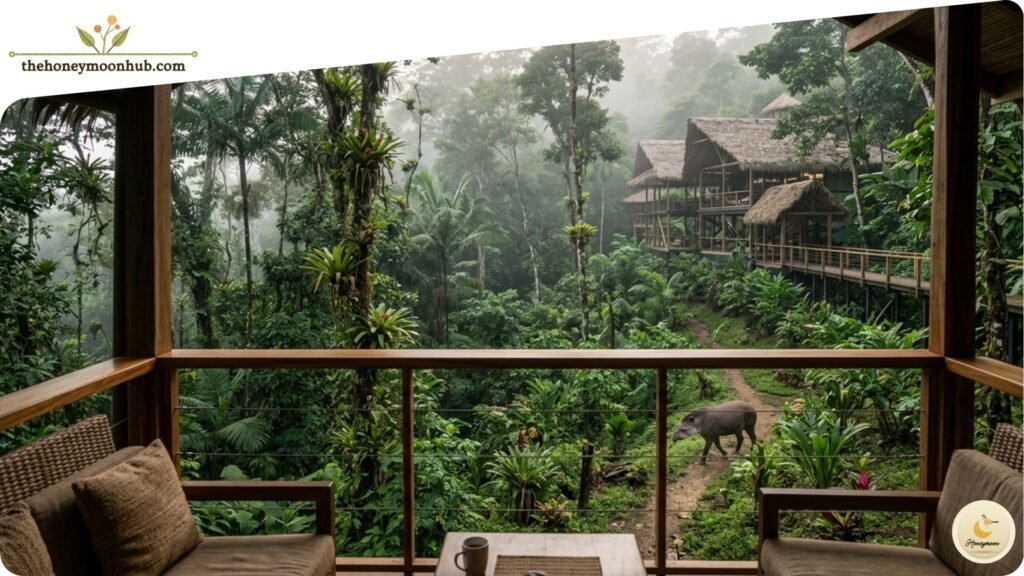
Why couples choose this: Corcovado National Park holds 2.5% of the world’s biodiversity. You’ll see tapirs walking past your cabin at dawn.
Best time to visit: Mid-May to June (green season’s shoulder) or November. December to April is dry but crowded—the Drake Bay trail bottlenecks become genuine frustrations. September is pouring rain; trails turn into shoe-sucking mud. While the Osa Peninsula shines in late spring, you can compare how it stacks up against other peak shoulder season windows to ensure your timing aligns with your vision.
How to get there: (Eco Honeymoon)
Fly SJO to Puerto Jiménez (Sansa or Green Airways, 55 minutes). Then a 4×4 transfer or boat to your lodge. The boat route at 8 AM offers the best chance of spotting dolphins without midday heat shimmer.
Where to stay: Lapa Rios (the OG, 97 acres of private reserve) or El Remanso (smaller, better for couples who want fewer families). Skip anything in Puerto Jiménez town—the noise pollution ruins the point.
Before booking this private reserve, check the latest Lapa Rios Lodge reviews to see how the wildlife sightings have been trending this season.
Check 2026 Availability | See Wildlife Photos
Realistic budget: 450−800/nightall−inclusive(meals,twoguidedexcursionsdaily).Low−seasondropsto300-500.
Slovenia’s Julian Alps: For Couples Who Hike Then Eat
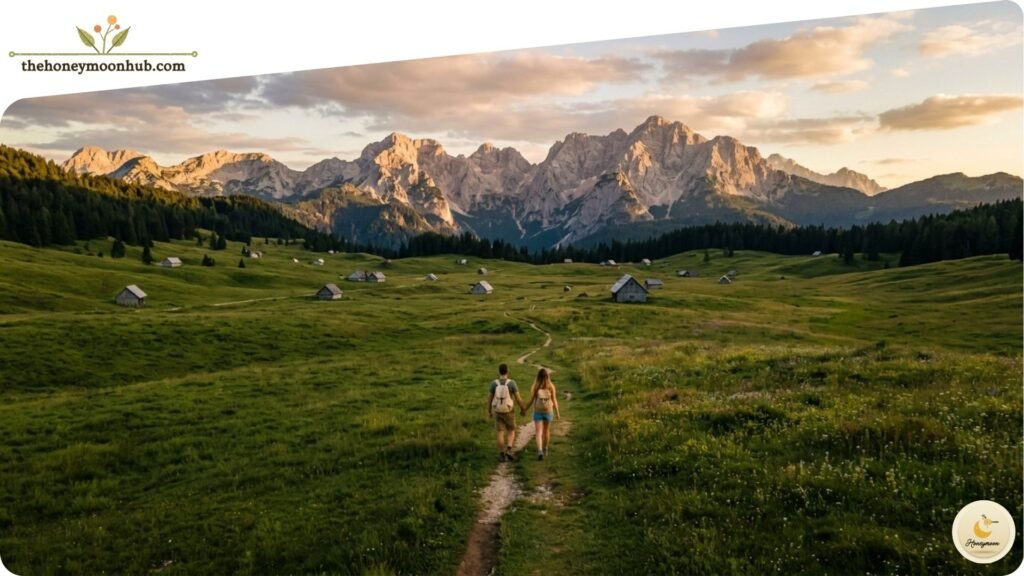
Why couples choose this: Europe’s most underrated green destination. Ljubljana was 2016’s European Green Capital, and the country has since doubled down on low-impact tourism certification.
Best time to visit: Late June through early September for high-altitude trails. October for fall colors and empty gondolas. Avoid August—Slovenians vacation domestically, and Lake Bled becomes a shoulder-to-shoulder bottleneck.
How to get there: Fly into Ljubljana (LJU) via Frankfurt, Munich, or Zurich. Rent a hybrid from Avantcar (local company, EVs only). The drive to Triglav National Park takes 90 minutes but stop at Lake Bohinj instead of Bled—same beauty, 80% fewer tourists.
Where to stay: Ecolife Bled (actually outside Bled, working farm with bee sanctuary) or Hotel Starkl in Bohinj. The lake-view rooms at the latter cost €150-200, half what Bled charges for worse locations. You can often find significant savings on Hotel Starkl Bohinj rates by booking outside the August peak.
Lock In Best Rates | View Lakefront Rooms
Hidden local tip: The Pokljuka Plateau has free hiking trails and shepherds’ huts selling fresh cheese for €3. No signage, no crowds. Ask at the Bohinj tourist office for the unmarked route to Planina Zajamniki.
Palau: For Divers and Snorkelers Who Want Privacy (Eco Honeymoon)
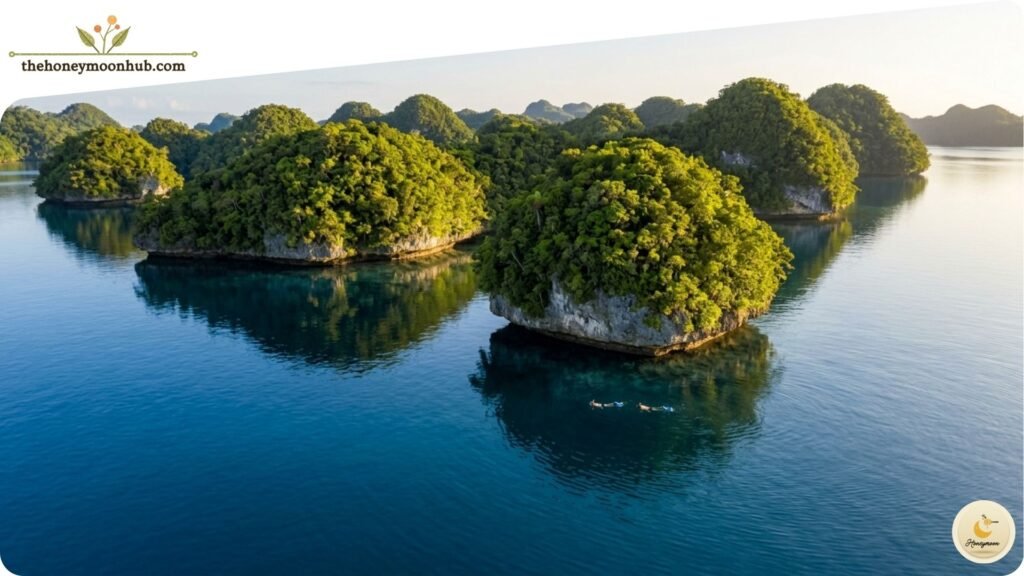
Why couples choose this: The Palau Pledge requires all visitors to sign a conservation commitment in their passport. It’s not performative—fines for reef damage start at $1,000.
Best time to visit: November through April. January and February offer the calmest water for Jellyfish Lake swimming. May to October brings rain but uncrowded dive sites.
How to get there: United’s “Island Hopper” from Guam (2 hours) or direct charter from Manila (slowly restarting post-2025 routes). This is the logistical hurdle that keeps crowds away. Worth it.
Where to stay: Palau Pacific Resort (Japanese-owned, serious reef restoration program) or the smaller Cove Resort. Both offer house reef snorkeling that rivals excursion sites. For those prioritizing reef health, Palau Pacific Resort pricing reflects their massive commitment to coral restoration.
Secure Your Escape | Compare All Palau Resorts
Budget reality: Palau is expensive. 600−1,000/night.Mealsadd100/day per person. But there’s no tipping, no resort fees, and no upselling once you’re there.
How to Plan Your Eco Honeymoon Without Losing the Luxury
Transportation Tactics That Actually Matter
The single biggest carbon decision you’ll make is the flight. Direct flights produce 20-30% less CO2 per passenger than connections (takeoff and climb burn the most fuel). Pay the premium for non-stop even if it costs more.
Once you’re there: trains over rental cars. Buses over private transfers. And for the love of your honeymoon budget, never book a “carbon offset” through an airline. Those programs are largely unregulated. Donate directly to verified projects in your destination instead—Costa Rica’s FONAFIFO forestry program accepts tourist contributions at their San José office.
What “Eco-Certification” Actually Means (Most Is Greenwashing)
Only three certifications carry real weight:
- LEED for buildings (Platinum or nothing)
- Rainforest Alliance Verified for tourism operations
- B Corp for hospitality groups
Everything else—”green key,” “earth check,” self-reported badges—means little. Ask properties directly: what percentage of your food is grown on-site? What’s your waste diversion rate? If they can’t answer numerically, they’re hiding something. You can verify a property’s claims by searching the official LEED project directory to see their actual rating.
Seasonal Strategy That Avoids Both Crowds and Rain
Shoulder seasons are your eco honeymoon sweet spot. You get lower rates, empty trails, and lodges that actually have staff bandwidth to personalize your experience.
The mistake couples make: booking peak season because they’re afraid of weather. But “rainy season” in most eco-destinations means 90 minutes of afternoon showers, not all-day deluges. Bring a packable poncho and enjoy the empty breakfast buffets.
A 7-Day Eco Honeymoon Itinerary That Works (Costa Rica Example)
Day 1-2: Arrive SJO afternoon. Overnight at Hotel Bougainvillea (urban eco-certified, rooftop farm). Avoid driving to the peninsula immediately—evening roads through the mountains are unlit and dangerous.
Day 3: Early flight to Puerto Jiménez (6 AM departure gives you the best weather window). Boat transfer to Osa peninsula lodge by 10 AM. Unpack, hike the lodge’s private trail before afternoon heat peaks (2-4 PM is brutally humid, plan indoor rest).
Day 4: Corcovado guided day hike. Leave at 5:30 AM—you’ll beat both the heat and the other tour groups. The 10 AM bottleneck at La Leona ranger station is real; 50 people trying to photograph the same anteater. Your early start avoids this entirely.
Day 5: Kayak the Golfo Dulce at sunrise. Calmest conditions are 6-8 AM. By 9 AM, afternoon winds pick up and small craft advisories aren’t uncommon.
Day 6: Transfer to Drake Bay via boat (book through your lodge, the public water taxi schedule is unreliable). Overnight at Aguila de Osa—ask for cabin 7, the only one with direct trail access to the beach. Check the full list of Aguila de Osa activities to ensure your preferred boat transfers are synchronized with your arrival.
See Adventure Deals | Explore Drake Bay
Day 7: Caño Island snorkeling (return to SJO evening). Choose the 7 AM trip; the 11 AM trip crowds the island’s landing beach to the point of frustration.
INSIDER TRAVEL TIPS
Packing that actually matters for eco-lodges: Leave the white sneakers home. Most eco-lodges have unpaved paths that turn to red clay mud after one rain shower. Bring quick-dry hiking pants (one pair is enough) and reef-safe sunscreen—but not the “mineral” sprays that still contain microplastics. Look for Zinc oxide only, no nano-particles. Beyond specialized hiking gear, ensuring you have your core travel essentials packed will prevent last-minute stress in remote areas where shops are non-existent.
Power realities: Remote eco-properties often run on solar with generator backup. The solar works fine for lights and charging phones. It does NOT power hair dryers, electric kettles, or portable coolers. If you need hot water for coffee, the lodge will provide a thermos. Don’t be the guest who blows the circuit at 7 AM. For a comprehensive breakdown of everything else you’ll need, use our stress-free honeymoon packing checklist to cover all your bases.
Cash strategy: Eco-lodges in remote areas frequently have card readers that fail (satellite internet is unreliable). Carry $200-300 in small bills. In Costa Rica, colones are preferred for small purchases; in Palau, USD works everywhere. Slovenia is fully digital but remote mountain huts still take cash only.
Communication expectations: You won’t have cell service in most of these locations. The lodge will have satellite WiFi that costs them 5−10permegabyte.That50 “resort fee” you avoided? It covered connectivity. Be prepared for 48-72 hours of true offline time. Bring downloaded maps, books, and a card game.
WHAT TOURISTS OFTEN REGRET
Booking “all-inclusive” without reading the fine print. Many eco-lodges exclude activities from their packages. You’ll arrive thinking everything’s covered, then discover that the guided night walk costs $80 extra and the kayak rental isn’t included. Ask before booking: “What’s excluded?” If they hesitate, they’re hiding something.
Overpacking the itinerary. Couples try to see three regions in seven days. In Costa Rica, that means 12+ hours of driving on unpaved roads. By day four, you’re exhausted and arguing. Pick one base region. Go deep instead of wide. To keep the romance alive while navigating logistics, using a strategic couples travel planner can help you find that perfect balance between adventure and downtime.
Ignoring the “quiet hours” policy. Eco-lodges attract early risers who go to sleep at 9 PM. Your romantic balcony conversation at midnight carries across the open-air construction. Every nearby cabin hears you. Book a detached unit if you want privacy past 10 PM.
Forgetting that “open air” means insects. That gorgeous bathroom with the living wall? Mosquitoes live there. Eco-lodges don’t fog for bugs (that’s the point). Bring a portable mesh canopy for your bed if you’re a light sleeper. The lodge-provided nets always have one hole you’ll find at 3 AM.
Skipping travel insurance with evacuation coverage. If you break an ankle on a remote trail in the Osa Peninsula, a helicopter evacuation costs $15,000-25,000. Standard policies don’t cover this. Buy specific “remote destination” or “adventure” coverage. World Nomads and Global Rescue are the only two I’ve seen actually pay out. While specialized adventure coverage is vital for the Osa, general security and medical safety should be part of your broader planning strategy.
Budget Expectations by Destination (Real Numbers, 2026)
Costa Rica (Osa Peninsula): 450−800/nightlodging.Meals30-50/person/day if not inclusive. Domestic flights 150−250roundtrip.Guides60-100 per half-day tour.
Slovenia (Julian Alps): €150-300/night lodging. Meals €15-25/person (dinner with wine). Train travel €18-40 between cities. Park entry €5-10 daily.
Palau: 600−1,000/nightlodging.Meals70-120/person/day. Dive excursions 150−250pertank.Environmentalfee100 (paid at airport, mandatory).
Cost-saving move that works: Stay six nights at an eco-lodge and use their “free night” promotions (common in green season). Most properties offer 7th night free or 20% off week-long stays. The nightly rate looks high but the weekly average drops 30-40%. Understanding these luxury and budget honeymoon dynamics helps you reallocate funds toward experiences that truly matter rather than inflated resort fees.
FAQ Eco Honeymoon
What is an eco honeymoon, and does it actually make a difference?
An eco honeymoon prioritizes lodging, transportation, and activities verified by third-party sustainability standards (LEED, Rainforest Alliance, B Corp). It makes a measurable difference when you choose destinations with conservation fees that fund specific projects—Palau’s Pledge raised $3 million for reef restoration in 2025 alone. The difference disappears with greenwashed hotels that claim “eco” without certification.
Are eco honeymoons more expensive than traditional luxury trips?
They often cost less upfront because certified eco-lodges don’t charge resort fees or “amenity” surcharges. The average 7-night eco honeymoon to Costa Rica runs 4,500−6,000includingflights.Acomparable“luxury“resortwithoutcertificationinthesameregioncosts6,500-8,500 with hidden fees. The exception is remote island destinations like Palau, where logistics drive prices higher regardless of sustainability status.
What are the most romantic eco-friendly honeymoon destinations?
Slovenia’s Lake Bled with a sunrise row to the island church (pre-crowd, 6 AM). Costa Rica’s Osa peninsula with private dinner on a dark-sky beach (bioluminescence visible May-October). Palau’s Jellyfish Lake accessed via the 7 AM first entry (you’ll have the lake to yourselves for 45 minutes before the tour boats arrive). Romance comes from exclusivity, not amenities.
How do I find legitimate eco-resorts without getting greenwashed?
Cross-reference three certification databases: LEED project directory, Rainforest Alliance’s verified partners, and B Corp’s hospitality search. If a property claims certification but isn’t listed on all three, email them for their audit report. Legitimate operators share these publicly. Greenwashers deflect or provide marketing materials instead of documents.
What’s the best month for an eco honeymoon in 2026?
May for Costa Rica (transition month, low crowds, full wildlife activity before peak season pricing kicks in June 1). September for Slovenia (harvest season, empty trails, 68°F highs). February for Palau (peak diving conditions, whale shark sightings, but book 10 months ahead). Avoid December entirely—holiday premiums add 40-60% to every price point.
Can I have a luxury eco honeymoon on a budget?
Yes, by choosing land-based destinations over island hops. Slovenia delivers alpine luxury for €200/night. Costa Rica’s less-visited Caribbean coast (Puerto Viejo) offers certified eco-lodges from $150/night. The trade-off: fewer “Instagram famous” amenities (no overwater bungalows, no infinity pools). What you gain: empty trails, authentic meals, and no crowds.