

Best Time for Italy Honeymoon: You’ve seen the photos: sunset at the Duomo, a gondola cutting through Canale Grande, lemon groves on the Amalfi Coast. But no one tells you about the August crowd crush at Florence’s Uffizi or how February in Venice can mean acqua alta flooding St. Mark’s.
The best time for an Italy honeymoon in 2026 is late April to early June, followed by mid-September to mid-October. These windows deliver comfortable temperatures, manageable crowds, and room rates roughly 30–40% lower than July’s peak pricing.
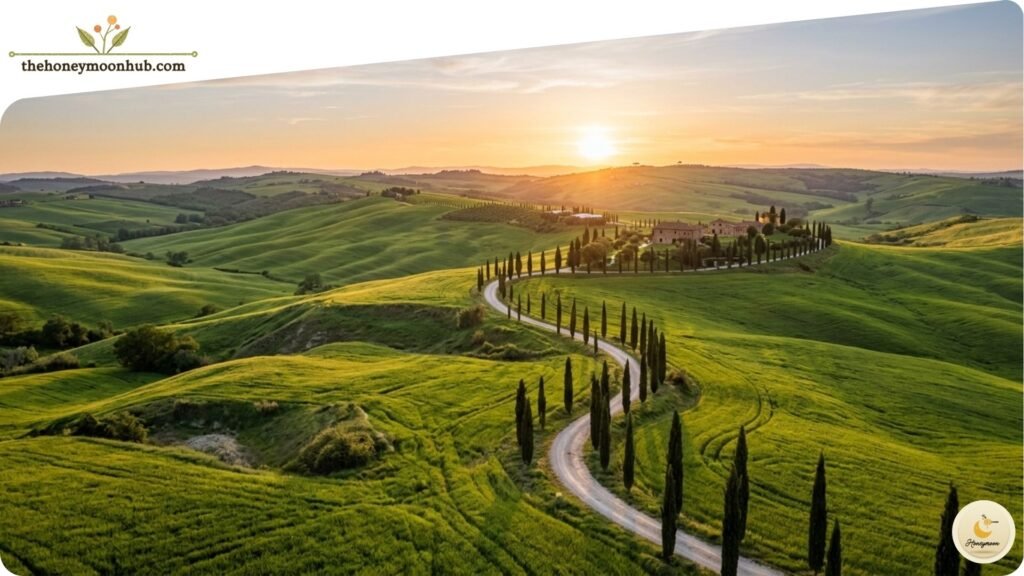
Here’s what couples rarely hear: May 2026 has a perfect storm of long daylight (sunset near 8:30 PM), wildflowers in Tuscany’s Val d’Orcia, and no school holidays to flood train stations. But September gives you warmer sea temperatures for the Cinque Terre swims.
Let’s break down exactly when to go and when to absolutely avoid.
You should also check live hotel pricing trends before locking your travel window.
Why Italy Works So Well for a Honeymoon (And Where Couples Get Stuck)
Italy isn’t one destination. It’s a dozen distinct regions, each with micro-seasons. Lake Como’s best month differs from Puglia’s. The Amalfi Coast shuts down in November; the Dolomites open for skiing in December. If your itinerary includes southern Italy, understanding where to stay along the Amalfi Coast based on season will prevent expensive location mistakes.
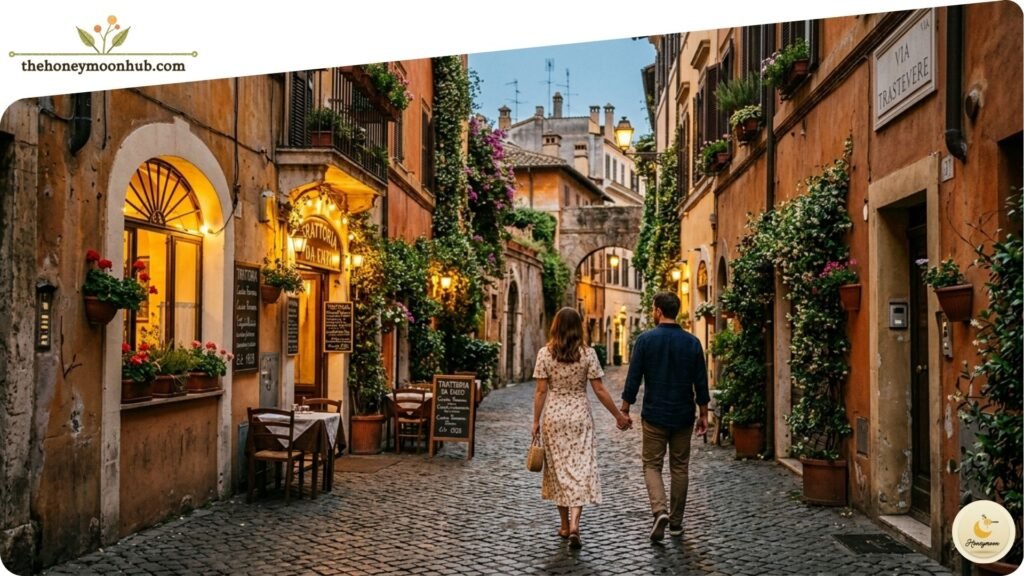
What makes Italy exceptional for honeymoons? Variety within short distances. You can have alpine mornings and coastal afternoons with a two-hour train ride. You’ll eat world-class food without Michelin prices. And the romance isn’t manufactured—it’s in the cracked pavement of Trastevere, the echo inside the Pantheon, the chaos of a Neapolitan market.
But couples make predictable mistakes. They book August because it’s “summer in Europe.” And They assume March is “shoulder season” everywhere (it isn’t—Rome is already packed for Jubilee 2025 spillover into 2026). They don’t check holiday calendars, then arrive to shuttered restaurants on Ferragosto. Before you lock dates, review what to actually pack for Italy without overthinking so you don’t build your trip around the wrong season assumptions.
This guide fixes that.
Breaking Down the Best Time for Italy Honeymoon by Season (Real Data)
Let’s cut through the “spring and fall are nice” generic advice. You need specifics—week-by-week, region-by-region.
Spring Honeymoon Season: March to May 2026 (Best Time for Italy Honeymoon)
April is exceptional. May is near-perfect. March is a gamble.
Early March still carries winter’s chill: 8–14°C (46–57°F) in Rome, rain in Florence, possible snow in the Dolomites passes. But you’ll find flight deals from the US under $600 round-trip, and Venice’s hotels drop 40% from summer rates.
Mid-April 2026 shifts everything. Easter falls on April 5 in 2026—mark that date. The week before and after Easter sees Italian families traveling. Book trains early. Avoid Vatican City on Easter Sunday unless standing in a piazza with 100,000 people sounds romantic (it isn’t).
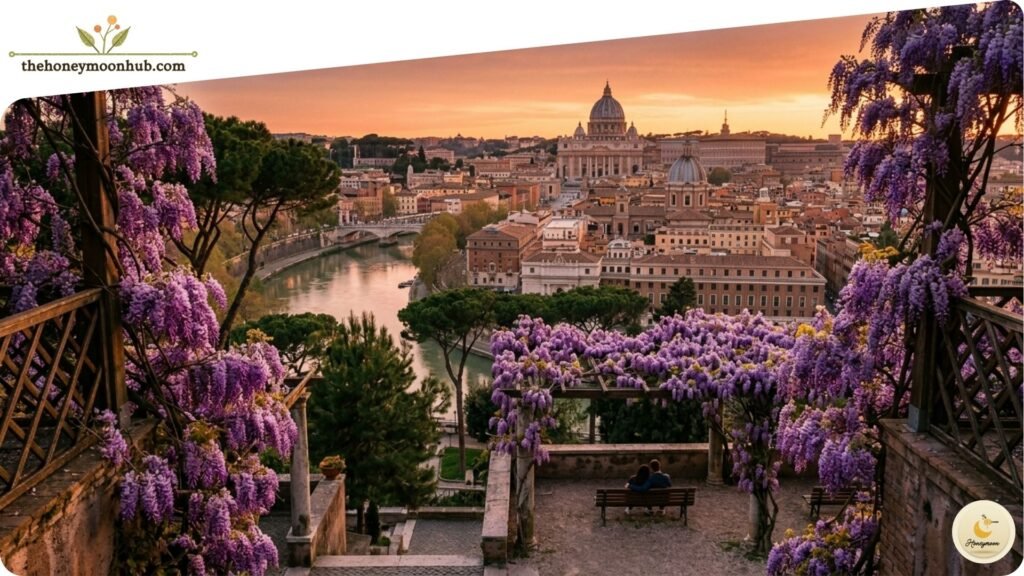
By April 20, crowds settle. The wisteria explodes in Rome’s Giardino degli Aranci. You can walk the Path of the Gods on Amalfi without sweating through your shirt. Day length hits 13.5 hours.
May 2026 is the single best month nationwide. Here’s why:
- Sea temperatures reach 18–20°C (64–68°F)—swimmable for northern travelers
- No European school holidays until late June
- Hotel rates in Positano drop 25% below June pricing
- The scent of jasmine fills every Tuscan garden
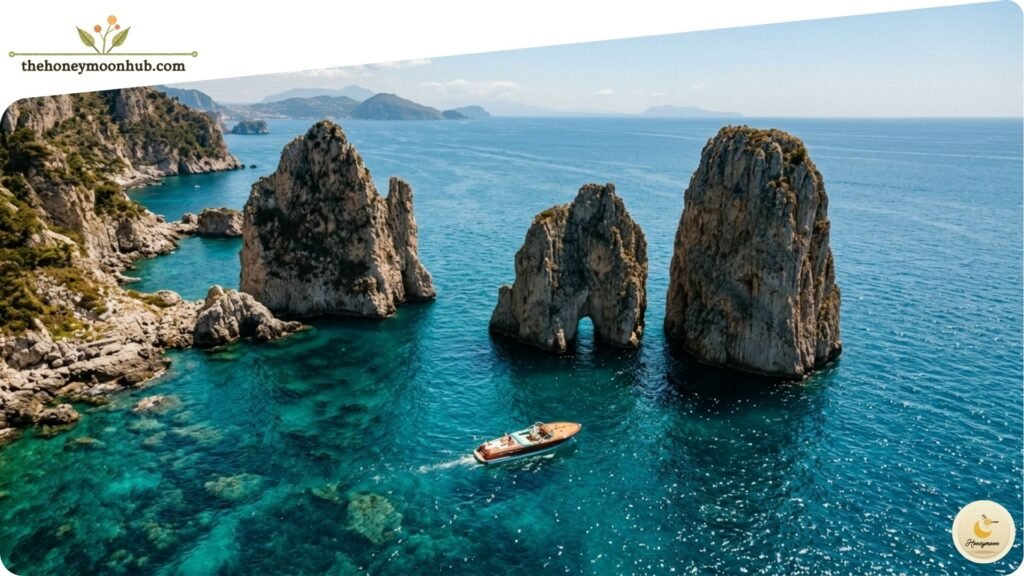
- You can book a private boat to Capri without competing with ten other couples
This is also the ideal window to learn how to plan a private Capri boat day without crowds before summer congestion hits.
May becomes even more compelling when you explore the best Tuscan villas and wine experiences for couples during peak bloom.
Late May warning: Memorial Day week (US holiday) sees American couples flood in. Prices bump 10–15%. Book by February.
Summer Honeymoon Season: June to August 2026 (Best Time for Italy Honeymoon)
Honest advice: skip July and August unless you tolerate heat well and hate empty wallets.
June is the compromise. Early June still feels like late spring. But by June 20—summer solstice—afternoons hit 30°C (86°F) in Rome, 32°C (90°F) in Florence’s concrete piazzas. Air conditioning is standard in hotels but weak in historic buildings. Restaurants move dinner to 9 PM because it’s too hot to eat at 7.
July and August are punishing. Consider these realities:
- Florence’s Duomo queue hits 2+ hours by 10 AM
- Cinque Terre’s trail between Monterosso and Vernazza closes midday due to heat risk
- Lake Como rooms go for €500–800/night for basic doubles
- You’ll share the Sistine Chapel with 4,000 other people
- Air conditioning failures mean sleepless nights in older palazzos
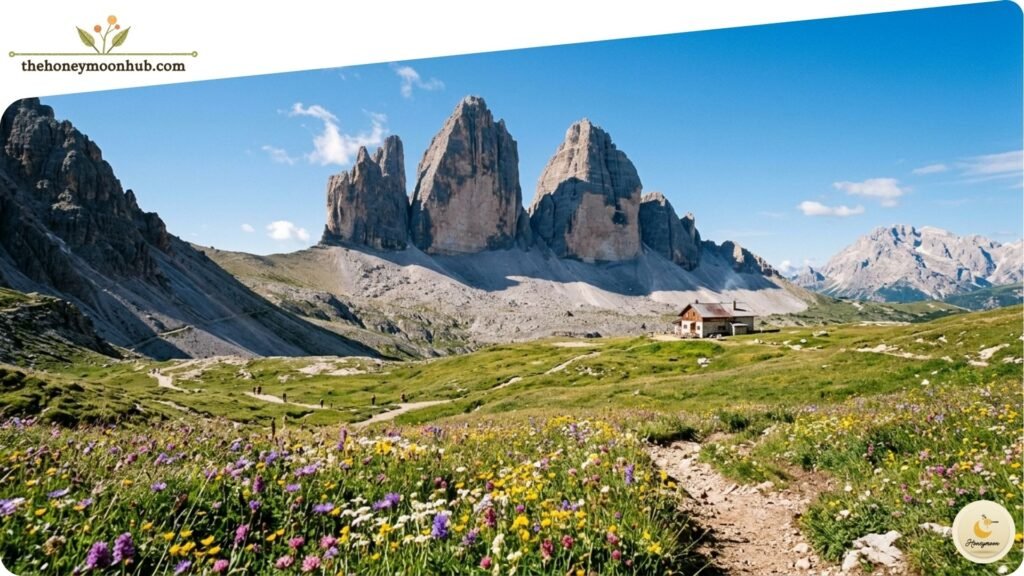
The only summer exception: The Dolomites. June through August is perfect for hiking, via ferrata, and staying in rifugi (mountain huts). Temperatures at 2,000 meters stay 15–22°C (59–72°F).
Ferragosto (August 15) is a national holiday. Cities empty as Italians flee to beaches. Rome feels strangely quiet—great for sightseeing, terrible for dining (many family-owned trattorias close for two weeks).
Fall Honeymoon Season: September to November 2026 (Best Time for Italy Honeymoon)
September’s first three weeks rival May for best time for Italy honeymoon status. That’s exactly why September rivals the best honeymoon destinations globally for couples seeking balance between cost and experience.
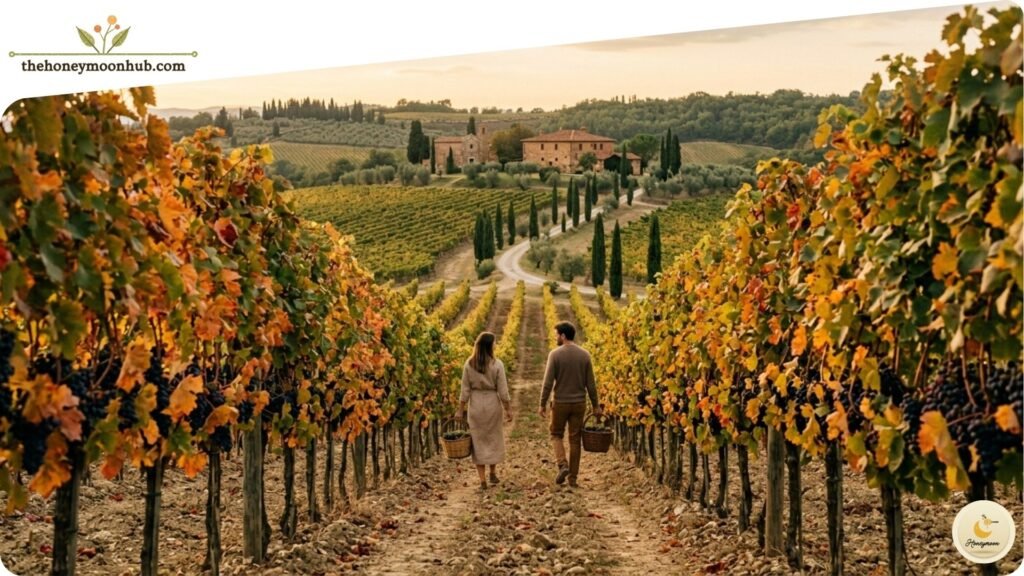
The sea has summer warmth (22–24°C/72–75°F) through September 15. Grape harvest starts in Chianti—you can book harvest experiences at estates like Castello di Verrazzano. Crowds thin noticeably after American Labor Day (September 7). Venetian hotel rates drop 35% from August peaks.
By late September, you hit the sweet spot: warm days (24°C/75°F), cool evenings (14°C/57°F), olive harvest beginning in Puglia, and truffle season starting in Umbria.
October is underrated. Early October still delivers. The Lazio coast stays swimmable. You can walk Rome’s Appian Way without heat exhaustion. But by October 25, daylight shrinks to 10.5 hours. Pack layers—mornings are cold (7–10°C/45–50°F), afternoons pleasant.
November is for bargain hunters who accept rain risk. You’ll find €100/night four-star hotels in Rome’s historic center. But expect 11 rainy days in Venice, possibility of acqua alta (flooding), and many coastal restaurants closed for the season.
Winter Honeymoon Season: December 2025 to February 2026 (Best Time for Italy Honeymoon)
For Christmas markets and skiing only. Not for first-time visitors wanting classic Italy.
December brings holiday magic—Nativity scenes in Naples, markets in Bolzano, menorahs in Rome’s Jewish Ghetto. But daylight ends at 4:40 PM. Outdoor dining becomes impossible.
January and February are the lowest-cost months. You can fly Rome–New York for under $400 round-trip. But here’s what no blog admits: many historic sites run reduced hours. The Colosseum closes at 4:30 PM instead of 7 PM. Pompeii’s café line shuts by 3 PM. And February 2026 brings Carnevale (February 14–17)—Venice hotels spike to €600/night for rooms that cost €150 the week before.
Insider Travel Tips (Best Time for Italy Honeymoon)
To avoid logistical stress, it helps to plan your honeymoon without common couple conflicts before booking trains and hotels. Time your train tickets like a local. Book high-speed Frecce or Italo trains 6–8 weeks out for the best rates. A Rome–Florence ticket bought the day of travel costs €45–60. Booked six weeks early? €19–25. Use the Trenitalia app. Validate regional tickets (no seat assignments) in the little green machines before boarding—€50 fine if you forget.
The 10 AM sightseeing block is a trap. Every guidebook says “go early.” That means 7:30–8 AM for the Vatican Museums, not 9:30. By 10 AM, you’re in a conga line. Here’s the workaround: book the Vatican’s “Prime Experience” (€65, includes breakfast, entry at 7:30 AM before crowds). For the Colosseum, book the “Underground and Belvedere” tour (book 60 days out—sells out in hours).
Eat where Italians eat. Walk ten minutes from any monument. The restaurants directly facing the Pantheon or Piazza San Marco charge triple for frozen pasta. Look for places with handwritten menus, no English translations, and a line of Italian construction workers at lunch. That’s your spot.
Your phone will die by 2 PM. Download offline maps for each city through Google Maps. Italy’s train stations have spotty free WiFi, and roaming data gets expensive. Also download Google Translate’s Italian language pack—you’ll need it for train delay announcements. This becomes easier when you know the essential tools and items you should never travel without in Italy.
Book restaurants for dinner in Florence and Rome. The good places (Trattoria Sostanza, Roscioli) require reservations 2–4 weeks out. Walk-ins eat at tourist slots or wait 90 minutes. Use The Fork app—it works nationwide.
What Tourists Often Regret
Overpacking for “just in case.” You’ll walk 15–25 km daily. Those leather boots? You’ll hate them by day two. Pack two pairs of broken-in walking shoes. Leave the heels. Leave the formal wear. A linen button-down and dark trousers work for any restaurant in Italy.
Assuming “shoulder season” means the same everywhere. March in Sicily is warm and lovely (18°C/64°F). March in Lake Como is cold, gray, and half the ferry schedule is suspended. Check specific regions—don’t trust national averages.
Not checking museum closure days. The Vatican Museums close Sundays (except last Sunday of the month, when it’s free and completely insane). Most state museums close Mondays. Borghese Gallery requires reservations two weeks out. Showing up without booking means staring at a “Completo” sign.
Booking non-refundable hotels to save €20. Trains get cancelled. Flights get delayed. You might fall in love with a town and want to stay an extra night. Pay the €10–15 premium for flexible cancellation up to 48 hours before. I’ve watched couples argue with front desk staff over non-refundable rates while their room goes to someone else.
Falling for the “free” walking tour tip expectation. Those guides work on tips. €10–15 per person is standard for a 2-hour tour. Tipping less than €5 is insulting. If you can’t afford it, skip the tour and use the Boris or Rick Steves audio guides instead.
Negotiating with street vendors. The guy selling roses or selfie sticks? Walk past without eye contact or a simple “no, grazie.” Stopping to negotiate invites a hard sell and possible pickpocket partner working the distraction.
Where to Stay for Your Italy Honeymoon (Neighborhoods That Work)
Rome: Trastevere for nightlife and authenticity. Monti for central access without the Pantheon crowds. Avoid Termini station area—it’s convenient but gritty at night.
Florence: Oltrarno (across the river) for artisan workshops and quieter evenings. Santa Croce for value within walking distance. Avoid Santa Maria Novella station area—same gritty pattern.
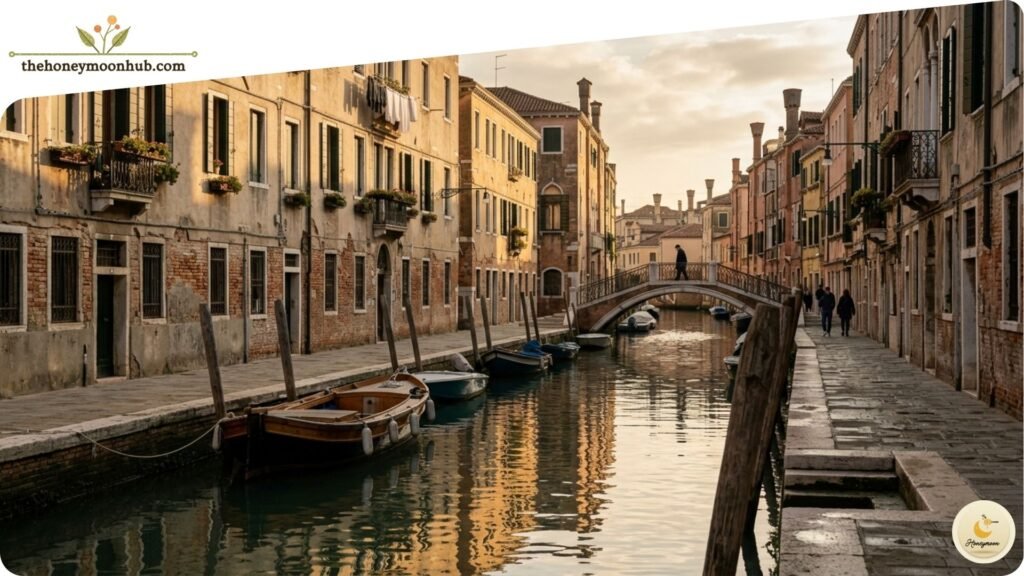
Venice: Dorsoduro for local life and art galleries. Cannaregio for authentic prices and fewer tourists. Avoid San Marco directly—you’ll hear the morning cruise ship crowds.
Amalfi Coast: Positano for the iconic photo and high prices. Praiano for sunset views at 40% less. Avoid staying in Sorrento if your goal is Amalfi—it’s a 90-minute bus each way.
Lake Como: Varenna for romance without Bellagio’s crowds. Menaggio for ferry connections. Avoid Bellagio in summer unless your budget exceeds €800/night.
Realistic Budget Expectations for 2026
If you’re unsure how pricing stacks up globally, compare how Italy compares to other honeymoon budgets before locking your dates.
Low season (Nov–Feb, excluding holidays):
- Mid-range hotels: €100–150/night
- Dinner for two (wine included): €50–70
- Train Rome–Florence: €19–25 booked ahead
Shoulder season (Mar–May, Sept–Oct):
- Mid-range hotels: €150–250/night
- Dinner for two: €70–100
- Train Rome–Venice: €35–50
Peak season (June–Aug):
- Mid-range hotels: €250–450/night
- Dinner for two: €100–150
- Private gondola ride (Venice): €80–120 (fixed price, don’t negotiate)
Hidden costs: City taxes (€3–7 per person per night, paid cash at check-in), museum reservation fees (€2–4 extra per ticket), seat assignments on high-speed trains (€2–4 each way).
Suggested 12-Day Honeymoon Itinerary (May 2026)
a-Days 1–4: Rome
- Stay: Trastevere (Hotel Santa Maria or similar)
- Must-book: Borghese Gallery (2 months out), Colosseum underground (60 days), Villa Borghese gardens at sunset
- Skip: the line for St. Peter’s by visiting at 3 PM (45 minute wait vs 2 hours at 10 AM)
b-Days 4–7: Florence (1.5-hour train)
- Stay: Oltrarno (Palazzo Guadagni for the terrace bar)
- Book: Uffizi and Accademia on the same day (Uffizi morning, Accademia afternoon), sunset at Piazzale Michelangelo
- Eat at: Trattoria Sostanza (book 3 weeks out, order the butter chicken)
c-Days 7–10: Tuscan countryside rental
- Base: Near Montepulciano or Pienza (requires car rental)
- Do: Private winery tour at Avignonesi, thermal baths at Bagno Vignoni, drive the Val d’Orcia’s SR2
- Skip: Montalcino’s fortress (overpriced wine tasting)
d-Days 10–12: Venice (2.5-hour train from Florence)
- Stay: Cannaregio (Hotel Al Ponte Mocenigo)
- Do: St. Mark’s Basilica at 9:30 AM (right when mosaic light hits), Doge’s Palace Secret Itineraries tour, evening gondola on quiet canals (avoid Grand Canal routes)
- Skip: Murano glass demo (they pressure you to buy)
How to Get There (Tactical Advice)
Fly into Rome FCO or Milan MXP for most US connections. Naples (NAP) serves Amalfi Coast. Venice (VCE) is small and expensive—usually better to fly into Milan and train (2.5 hours).
Direct US cities in 2026: New York JFK/EWR, Boston, Atlanta, Chicago, Dallas, Los Angeles, San Francisco, Washington Dulles. Seasonal routes from Denver, Seattle, Minneapolis.
The cheap connection trick: Fly Norse Atlantic from New York to Milan for €350–450 round-trip (basic economy, no checked bags). Or book TAP Portugal via Lisbon for €500–600 with included bags—the layover breaks up the journey.
Train from airports: FCO to Rome Termini = €14 on the Leonardo Express (32 minutes, runs every 30 minutes). MXP to Milan Centrale = €13 on Malpensa Express (50 minutes). Ignore taxi touts—they’ll charge €50–80 for the same trip.
It also helps to see how Italy ranks among top honeymoon destinations this year before finalizing your decision.
FAQ
What is the best month for an Italy honeymoon?
May delivers the most consistent weather nationwide (18–25°C / 64–77°F), longest daylight before summer heat, no European school holidays, and shoulder-season hotel rates. September is a close second with warmer sea temperatures for coastal swimming. Avoid August entirely unless you’re staying in the Dolomites.
When is the best time to visit Italy for couples who want fewer crowds?
Late October through early November offers dramatically fewer tourists—Venice’s St. Mark’s Square has one-tenth the July crowds. The trade-off: shorter days (10–11 hours of daylight), rain risk (8–10 rainy days monthly), some coastal restaurants closed, and sea temperatures too cold for swimming (16–18°C / 61–64°F).