
You’ve set a wedding date. Now comes the second-most important decision: when to take honeymoon trips that actually deliver on the post-wedding dream. Too many couples default to “right after the wedding” or “sometime in summer” – and end up fighting crowds, melting in monsoon rain, or watching their budget evaporate on peak-season flights.
The honest answer? The best time for a honeymoon depends on three things: where you want to go, what kind of experience you crave, and how much flexibility you have. After visiting over a dozen honeymoon hotspots across three continents – from the overwater bungalows of the Maldives to the vineyard hills of Tuscany – I’ve learned that timing isn’t just about weather. It’s about privacy, value, and the difference between a crowded resort and one where you feel like the only couple on earth.
Below, I’ll break down exactly when to take a honeymoon in 2026 by season, destination, and travel style – with real pricing, crowd observations, and the small logistical warnings most blogs skip. To visualize how these timing secrets apply to specific locations, browse our curated list of top-rated destinations for 2026 before booking.
Why the Question “When to Take Honeymoon” Matters More Than You Think
Most couples assume any time works if the destination is romantic. That’s a trap.
In September 2024, I sat next to a newlywed couple at a café in Positano. They’d booked a June honeymoon – peak season on the Amalfi Coast. They paid €450 a night for a room with a partial view, waited 45 minutes for a dinner table, and shared the Path of the Gods trail with what felt like a thousand other hikers. “We should have come in May,” the groom said, rubbing sunscreen off his sunglasses. He was right.
The difference between a good honeymoon and an unforgettable one often comes down to a six‑week window. Shoulder seasons (the weeks just before or after peak) typically offer 70% of the good weather at 50% of the price – and half the people. For 2026, the smartest couples are already looking at late April to early June and September to October, depending on the hemisphere.
Best Times to Take a Honeymoon by Season and Destination
Let’s get specific. No generic “spring is nice” advice. Here’s how the calendar actually breaks down for real destinations couples book.
Spring (March – May): Mediterranean & Japan’s Sweet Spot
March can still be chilly in Europe (think 12°C / 54°F in Rome), but April and May are gold. I walked through the Boboli Gardens in Florence on an April morning – wisteria dripping from every pergola, zero crowds before 10 a.m., and a double espresso cost €1.50 at a locals’ bar.
- Where excels: Italy, Greece (islands open but quiet), France (Provence poppies start late April), Japan (cherry blossoms peak late March to early April – book by December 2025). If you are eyeing a spring escape to Italy, our Amalfi Coast’s hidden gems guide explains why May is the ultimate month for avoiding Positano’s summer gridlock.
- Real cost: Flights to Athens in May 2026 will run ~700–900fromtheUSEastCoast,vs1,300+ in July.
- Caveat: Avoid Easter week (April 5–12, 2026) – Mediterranean prices spike and families crowd everything.
Summer (June – August): High Season – Only for the Determined
I’ve done a July honeymoon in Bali. Never again. Not because Bali is bad – but because Ubud’s main street turns into a pedestrian traffic jam, and humidity hits 85% by noon. That said, summer works brilliantly for cooler northern destinations.
- Where excels: Iceland (midnight sun, 15°C / 59°F, puffins everywhere), Canadian Rockies (Lake Louise in July is spectacular, but reserve your canoe two months out), Scandinavia, Patagonia (reverse season – it’s winter, so actually no – summer is their winter? Wait. Patagonia’s summer is Dec–Feb. So for June–Aug, go north.)
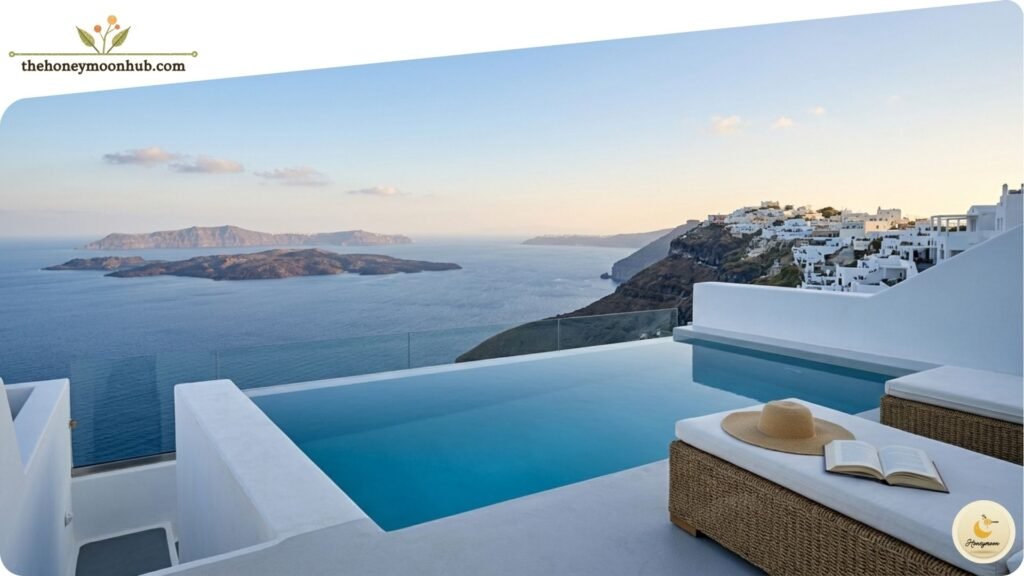
- Reality check: In August, Santorini’s Oia sees 10,000+ visitors daily. The famous sunset viewpoint? You’ll queue for an hour. Hotels charge €600+ for rooms that go for €250 in May. Before you commit to a July trip, review the historical Bali weather and pricing cycles to see if a September shift might save your sanity.
Fall (September – November): The Undisputed Champion for Most Couples (When to Take Honeymoon)
If you ask me when to take a honeymoon and can only give one answer: the last two weeks of September through mid‑October. There is a reason I recommend this window above all others; September’s most romantic escapes offer the perfect balance of warm water and quiet streets.
In October 2023, I stayed at a cliffside hotel in Cinque Terre. The sea was still warm enough to swim (21°C / 70°F), the grape harvest was in full swing, and Monterosso’s main beach had maybe twenty people. Dinner reservations? Walked right in. That same hotel in August? Three‑night minimum and a waiting list.
- Where excels: Italy, Greece (islands still warm until late October), California wine country (harvest season), New England (foliage peaks early October), Japan (autumn colors, mild temps).
- Watch for: November can turn grey in southern Europe. By mid‑November, many Greek island ferries reduce schedules – some restaurants close entirely.
Winter (December – February): Caribbean & Southern Hemisphere Paradise (When to Take Honeymoon)
Winter is the time to flee to the sun – or embrace the snow. For Caribbean and Mexico honeymoons, December to April is peak dry season, meaning blue skies but premium prices.
- Where excels: Maldives (dry season Dec–April, but note: Dec 15–Jan 15 is holiday peak – double rates), Thailand (Gulf islands like Koh Samui are best Jan–Feb; Andaman side is wet), Costa Rica (dry season on Pacific coast), Argentina (summer in Patagonia – December days last 17 hours).
- Budget hack: Book the first week of December (before the 15th) for dry weather but pre‑holiday prices. I paid 180/nightforabeachfrontcabanainTuluminearlyDecember;thesameroomwas520 between Christmas and New Year’s.
How to Get There: Timing Your Travel Logistics
When to take a honeymoon isn’t just about weather – flight and ferry schedules change dramatically by season.
Flight realities: Shoulder season (May, September) offers the best balance of availability and price. Use Google Flights’ calendar view to compare midweek vs weekend departures. For 2026 long‑haul routes (US to Europe, Australia to Southeast Asia), book 3–4 months out for shoulder season, 5–6 months for peak. While booking windows vary, staying on track with a honeymoon planning timeline ensures you snag the best rates during that elusive six‑week shoulder window.
Ferry and island logistics: Greek island ferries run frequently May–October. In November, some routes drop to twice weekly. I watched a couple miss their Santorini–Crete connection in late October because they assumed a daily schedule – always check the winter timetable before booking.
Jet lag strategy: If you’re flying east (US to Europe), arriving in the morning after an overnight flight is brutal but smart. Stay awake until 9 p.m. local time. If you can, add a buffer day before any expensive excursions – I never plan a big hike or boat tour on day one. Beyond just fighting jet lag, following a few health protocols will help you arrive feeling refreshed and ready for your first excursion.
Where to Stay: Booking Strategies Based on Timing
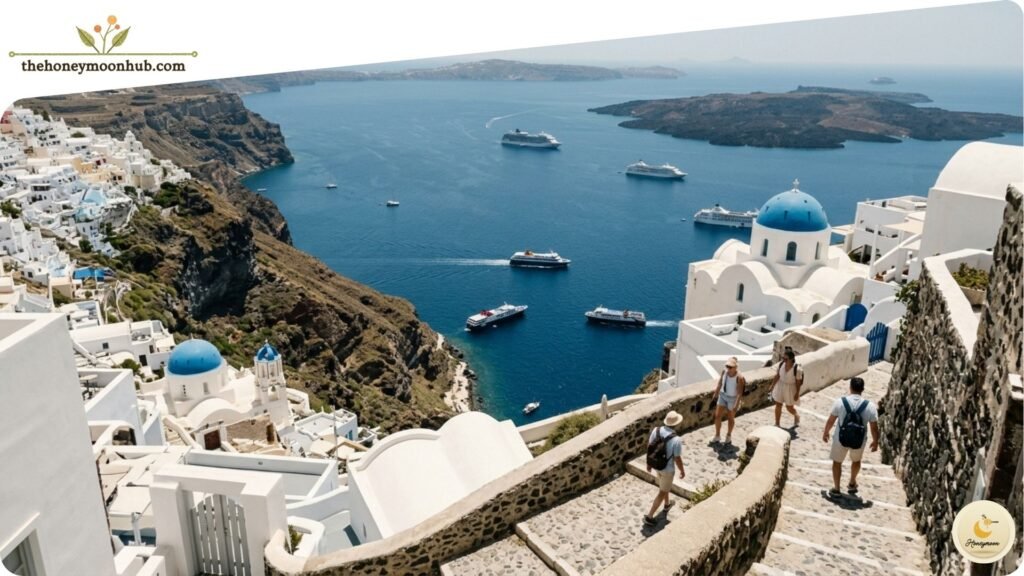
Hotels price dynamically. The same room can triple between low and high season. Here’s how to win. Understanding the luxury vs. budget price gap is essential when rooms in Santorini triple in price between May and August.
Peak season (June–August, Dec 20–Jan 5): Book 8–12 months ahead for top honeymoon properties. The overwater bungalows at Conrad Maldives? By February for a July stay, you’re already choosing from leftovers.
Shoulder season (April–May, September–October): You have flexibility. Book 3–5 months out. I’ve scored 25% off “non‑refundable” rates at four‑star hotels in Sicily by booking just six weeks ahead – but that’s risky for very popular boutique spots.
Low season (November–March except holidays, also July–August in the Caribbean – hurricane season): Deals are real, but so are the risks. A November honeymoon in the Bahamas might give you sunny 27°C days – or a tropical storm. Always buy travel insurance that covers weather cancellations.
Neighborhood insight: In Rome, stay in Trastevere for honeymoon charm (cobblestones, ivy walls, evening street music). But in July, Trastevere is also sweltering and loud. For summer, pick a hotel with a pool in the Parioli district instead – less romantic on paper, far more comfortable at 3 p.m.
Best Honeymoon Experiences by Month
Match your dream activity to the calendar.
- January – Whale watching in Baja, Mexico: Gray whales arrive, and the weather is 22°C and dry.
- February – Skiing in the Dolomites, Italy: The Cortina slopes are prime, and mountain huts serve mulled wine away from the main crowds.
- March – Cherry blossoms in Kyoto, Japan: Peak usually last week of March. You’ll share Maruyama Park with thousands, but a 6 a.m. walk along the Philosopher’s Path feels private.
- April – Tulip season in Amsterdam, plus Keukenhof Gardens: Only open mid‑March to mid‑May. Go on a weekday before 10 a.m. or after 4 p.m.
- May – Coastal hiking in Cinque Terre, Italy: Trails are fully open (check closures – they happen), temperatures are 20–25°C, and the sea is swimmable by late May.
- June – Midnight sun in Lofoten, Norway: 24‑hour daylight means you can kayak at 11 p.m. with golden light. Bring an eye mask for sleep.
- July – Wildlife safari in Tanzania: The Great Migration crosses the Serengeti’s northern rivers. Mornings are cold (10°C), afternoons warm (25°C).
August – Edinburgh Fringe Festival, Scotland: (When to Take Honeymoon)
- Not traditionally “honeymoon,” but if you love theatre and chaos, the world’s biggest arts festival is electric. Book accommodation a year out.
- September – Grape stomping in Douro Valley, Portugal: Harvest festivals happen. Stay at a quinta (wine estate) for private tours. For those planning an autumn harvest trip, our guide to the ultimate Tuscan vineyard experience covers the best private estates for wine lovers.
- October – Fall foliage train ride on the Bernina Express, Switzerland: Tirano to St. Moritz through golden larch forests. Reserve panoramic car seats 2–3 months ahead.
- November – Hot springs in Blue Lagoon, Iceland: Short days (5 hours of light) but the lagoon feels magical in snowfall. Book the 9 a.m. slot – after that it’s crowded.
- December – Christmas markets in Vienna, Austria: Rathausplatz is gorgeous but packed. Skip the main market and head to Spittelberg for a quieter, cobbled alternative.
Hidden Local Tips: Seasonal Secrets Most Couples Miss

- Book your honeymoon for the second week after the wedding. That buffer gives you time to pack without panic, recover from the reception, and handle last‑minute gift returns. The couples who fly out the next morning? They’re exhausted. I’ve seen it. Use that extra week of buffer time to execute a comprehensive packing strategy so you aren’t panic‑buying essentials at the airport.
- In beach destinations, check the seaweed forecast (Caribbean) or jellyfish season (Mediterranean). Sargassum seaweed hits the Mexican Caribbean hard from May to October. In the Med, jellyfish appear in July and August near shores – ask your hotel if they have nets.
- Use “low season” for high‑altitude destinations like the Swiss Alps. September in Zermatt has clear skies, fewer hikers, and hotel rates drop 30% after August.
- Full moon dates matter for the Maldives. Bioluminescent plankton is most visible for a few days after a new moon (darker skies). Check lunar calendars when booking.
Common Mistakes When Choosing Honeymoon Timing
- Assuming “dry season” means zero rain. In Costa Rica’s dry season (Dec–April), you’ll still get afternoon showers in the rainforest. They last an hour and feel refreshing. Pack a light shell jacket anyway.
- Ignoring school holidays. Even if you don’t have kids, Europe’s August holiday (when all of Italy and France vacation) means crowded trains and closed family‑run shops.
- Booking a non‑refundable room based on a weather average. Average high of 28°C in Bali in December? That’s true – but December also averages 19 rainy days. I watched a couple spend their entire week watching Netflix in a villa because they didn’t check historical rainfall.
- Overlooking Ramadan if traveling to Muslim‑majority countries. In Turkey, Morocco, or Indonesia, Ramadan (early March to early April in 2026) means shorter sightseeing hours and some restaurants closed until sunset. It’s not a problem – just something to plan around.
Realistic Budget Expectations by Season
Let’s talk numbers. These are real ranges for a 7‑night honeymoon for two, mid‑range accommodations (3–4 star), including flights from a major US hub.
| Destination | Low Season (price) | Shoulder Season | Peak Season |
|---|---|---|---|
| Italy (Amalfi Coast) | $3,200 (Nov–Feb) | $4,500 (May, Sep–Oct) | $7,000+ (June–Aug) |
| Thailand (Krabi) | $2,500 (May–Oct – rainy) | $3,800 (Nov–Dec, Jan–Feb) | $5,200 (Dec 20–Jan 10) |
| Maldives | $4,000 (May–Oct – wet) | $5,500 (Nov, Apr) | $9,000+ (Dec–Mar) |
| Mexico (Tulum) | $2,200 (Sep–Oct – hurricane risk) | $3,000 (Nov–Dec 15, Apr–May) | $4,500 (Dec 16–Mar) |
Low season can be a steal – but only if you accept weather trade‑offs. A 2,200TulumhoneymooninOctobermightincludeadayindoorsduetorain.A9,000 Maldives trip in February guarantees sun but empties your savings.
Hidden Local Tips: Seasonal Secrets Most Couples Miss

I’ll use Santorini, Greece as the example – a top honeymoon pick.
Shoulder season (May 10–17, 2026):
- Day 1: Arrive, stay in Fira (mid‑range: $180/night at Aressana Spa). Sunset walk – no crowds.
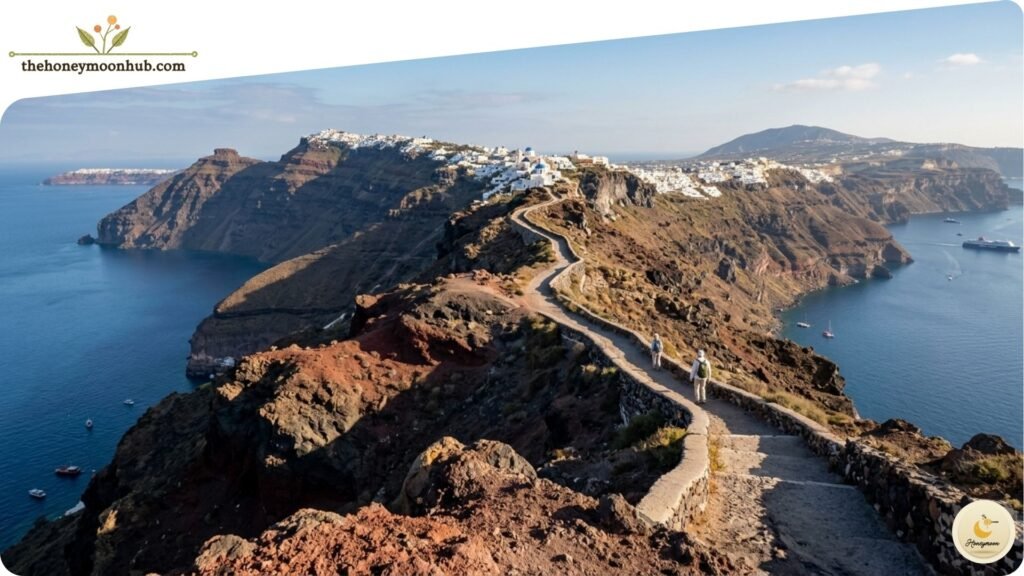
- Day 2: Hike Fira to Oia (3 hours, 10 km). You’ll see maybe 30 people. Lunch at a Oia cliffside table without reservation.
- Day 3: Catamaran cruise around the caldera ($120/person including meal). Water still cool but swimmable.
- Days 4–5: Rent an ATV to red and black beaches. No waiting for parking.
- Day 6: Winery tour at Santo Wines – sit on the terrace at 4 p.m. without rush.
- Day 7: Relax. Fly out.
Peak season (July 5–12, 2026):
Same activities, but add 2x to all prices. Fira–Oia hike is a crowded conga line by 9 a.m. Start at 6 a.m. or skip it. Catamaran cruises book out 3 weeks in advance – reserve by June. And most importantly: never try to watch sunset in Oia. Watch from the less crowded lighthouse at Akrotiri instead.
INSIDER TRAVEL TIPS (When to Take Honeymoon)
- Book flights on a Tuesday or Wednesday for departure and return. Weekend flights carry a 20–40% premium. I saved $340 on a round‑trip to Rome by flying Tuesday–Tuesday instead of Saturday–Saturday.
- Build in a “recovery day” between wedding and departure. Even if you want to leave immediately, you don’t. The day after my own wedding, I was useless – exhausted, emotional, and carrying three forgotten items. Leave on day three.
- Use the “incognito mode + VPN” trick for hotel bookings. Search from a US IP, then switch to a local VPN (e.g., Italy) – sometimes rates drop 15% for “local” bookings. Tested this in Florence and saved €90.
- Always check the sunrise and sunset times for your dates. In Rome, sunset moves from 5:30 p.m. in December to 8:45 p.m. in June. If you’re dreaming of a sunset dinner on a terrace, don’t book a 6 p.m. table in winter – you’ll eat in the dark.
WHAT TOURISTS OFTEN REGRET (When to Take Honeymoon)
- Overpacking based on weather averages. They see “20°C” and pack summer clothes, forgetting that mountain evenings (e.g., Swiss Alps in September) drop to 8°C. A packable puffy jacket weighs nothing and saves the night.
- Booking the cheapest flight with a 45‑minute connection. I’ve watched honeymooners sprint through Frankfurt airport, sweating in their travel “outfits,” missing their connection, and spending their first night in an airport hotel. Pay the extra $100 for a 2‑hour buffer.
- Not verifying if their “romantic restaurant” is actually open. In Mediterranean coastal towns, many of the best family‑run spots close for the entire month of November or February. Call or email – don’t trust last year’s blog post.
- Assuming all‑inclusive resorts in the Caribbean are hassle‑free. In peak season, you’ll still battle for pool loungers at 7 a.m. – I’ve seen towels on chairs at 5:30 a.m. in Punta Cana. If that kills your vibe, choose a smaller boutique hotel instead.
FAQ When to Take Honeymoon
What is the most popular month for honeymoons?
June and September tie for the top spot. June offers long days and warm weather across the Northern Hemisphere, but it’s the start of peak crowds and prices. September gives you nearly identical weather in most Mediterranean and European destinations with 30–40% lower costs and thinner crowds.
Is it better to go on a honeymoon right after the wedding?
Not necessarily. Most couples who leave the next day report feeling exhausted and rushed. The sweet spot is 2–5 days after the wedding. That gives you time to decompress, pack thoughtfully, and actually enjoy the airport champagne.
When is the cheapest time to take a honeymoon?
Low season – November through February (excluding Christmas and New Year’s) for Europe and the Mediterranean, and May through October (excluding summer) for the Caribbean and Southeast Asia. Just know you’re trading lower prices for higher rain risk or cooler temperatures.
How far in advance should I book my honeymoon?
For peak season (June–August, late December): 8–10 months. For shoulder season (April–May, September–October): 4–6 months. And For low season: 2–3 months – but watch for flight sales about 3 months out.
What if we have to take our honeymoon in August?
Go north, not south. Think Iceland, Norway, Canadian Rockies, or Pacific Northwest (San Juan Islands, Washington). Also consider high‑altitude destinations like the Swiss Alps or the Andes. August in those places is glorious and far less crowded than beaches or European capitals.
Does the day of the week I depart matter?
Absolutely. Tuesday and Wednesday departures are consistently cheaper and less crowded at airports. Friday and Sunday are the worst – higher fares, longer security lines, and more stressed travelers.